

“The best investment on Earth is earth”
—Louis Glickman
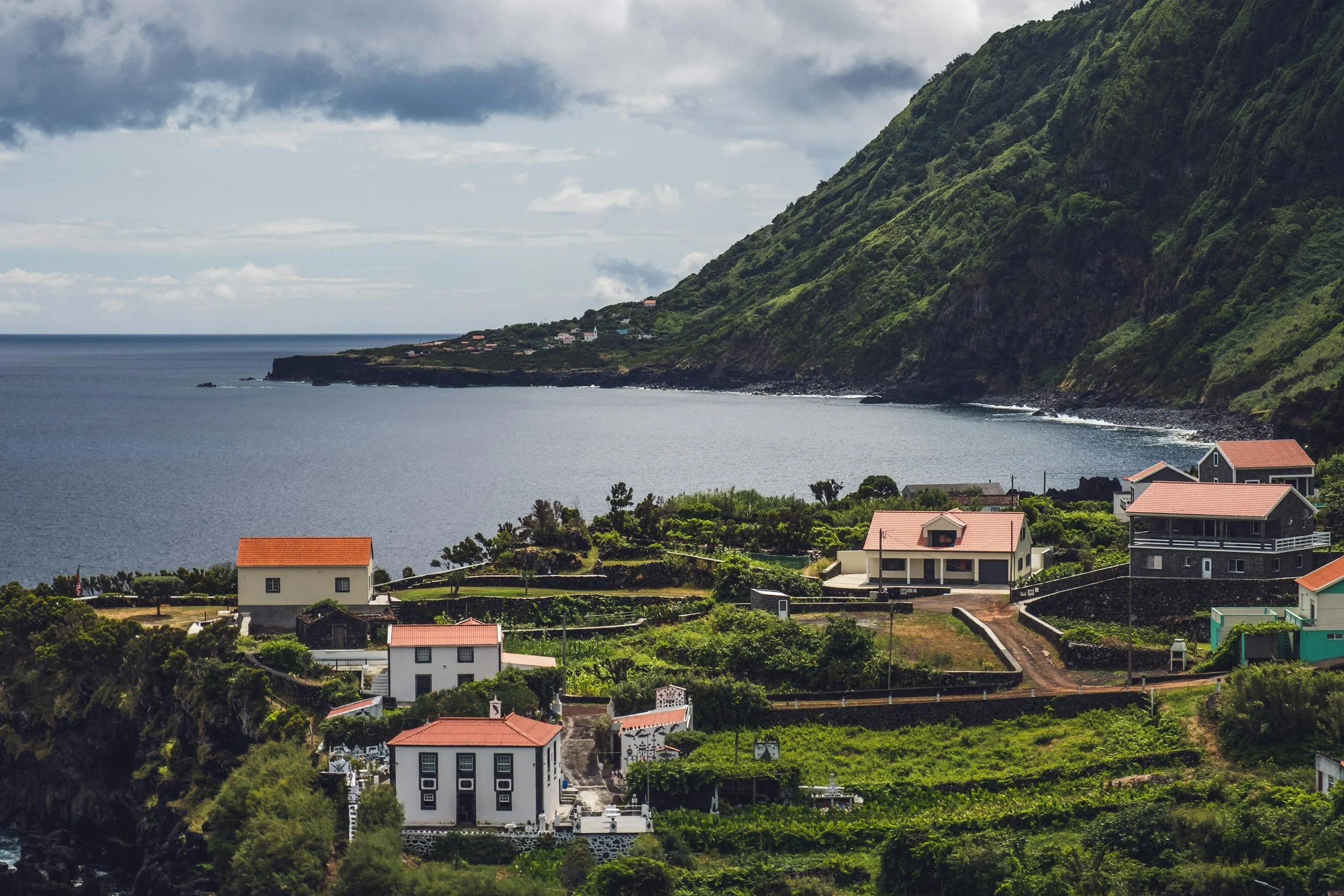
Let’s work together

Atlantic Paradise: Portugal’s Best-Kept Investment Secret
Discover why the Azores are one of Portugal’s smartest real estate investment opportunities—affordable, beautiful, and growing fast.
Buying or selling in the Azores?
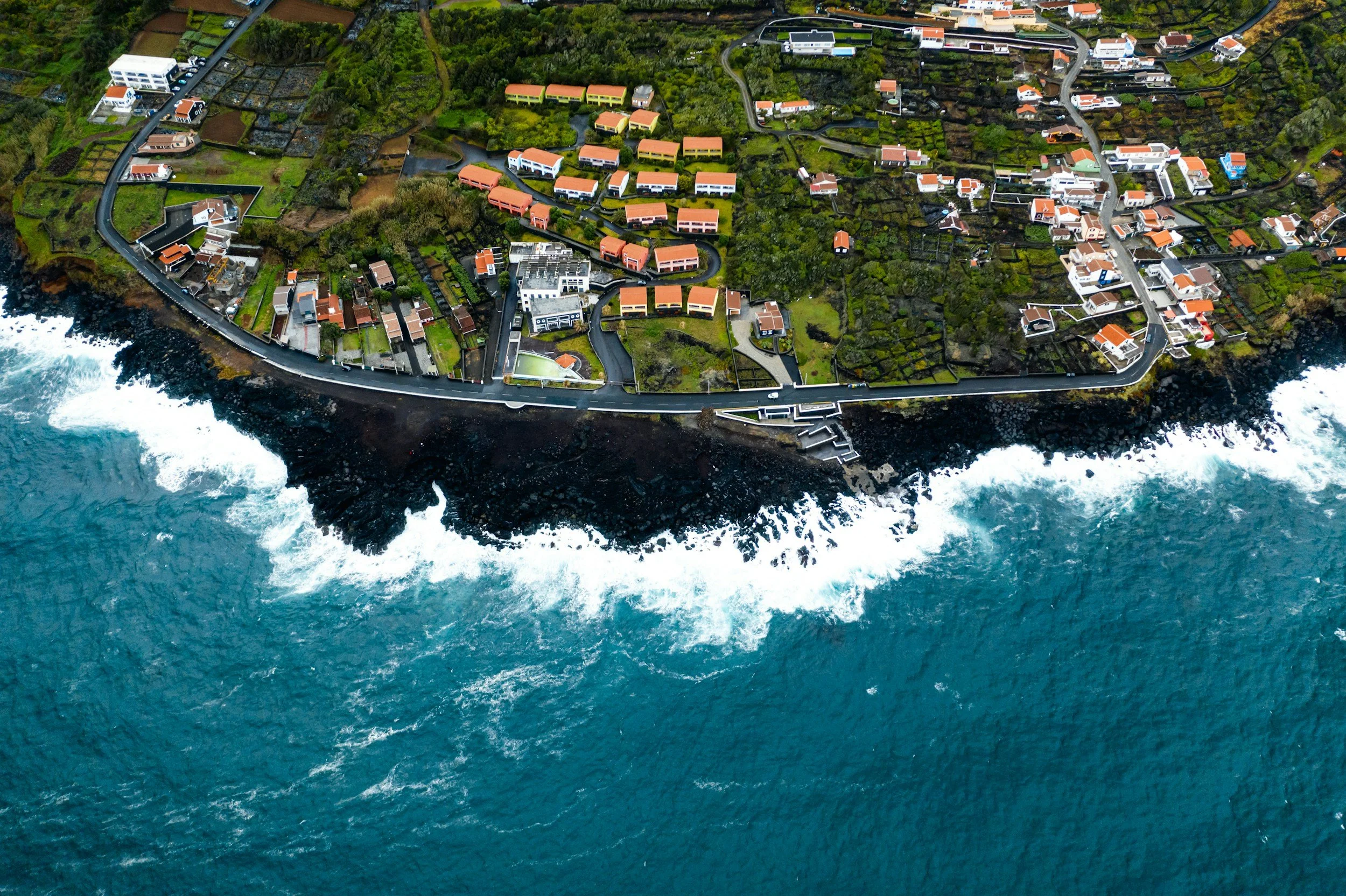
Buying Property in the Azores: What You Need to Know
A practical guide for buying property in the Azores—covering laws, taxes, financing, and tips for foreign buyers.
Live the Island Life: Cost of Living in the Azores
Curious about living in the Azores? Here's a detailed breakdown of housing, groceries, utilities, and the true cost of island life.

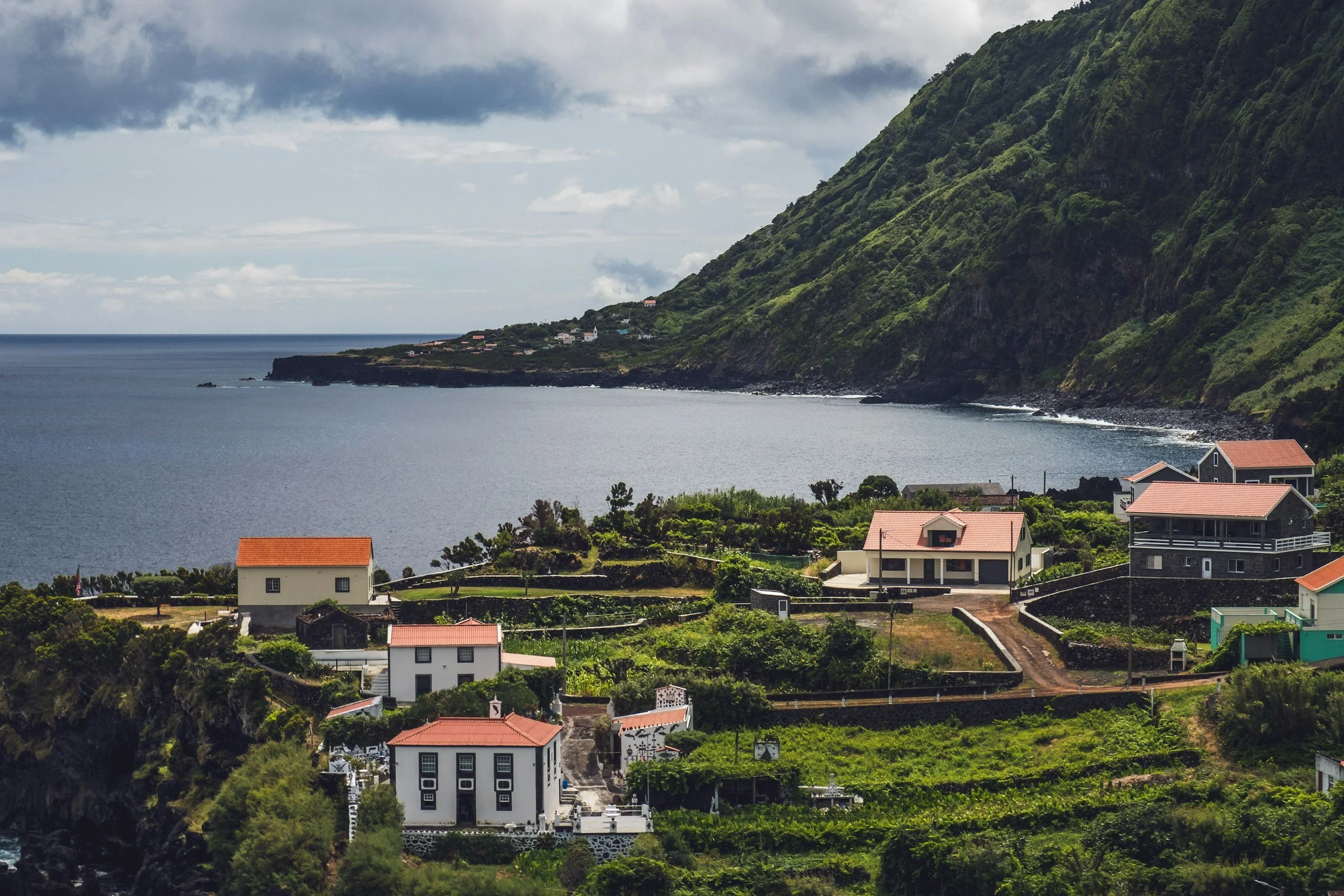



Why the Azores Are Portugal’s Best-Kept Investment Secret
Why the Azores Are Portugal’s Best-Kept Investment Secret
If you’ve ever dreamed of owning a piece of paradise, this might be your sign. The Azores, a volcanic archipelago in the middle of the Atlantic Ocean, have long been admired for their jaw-dropping landscapes, mild climate, and peaceful pace of life. But beyond the postcard-worthy views, there’s something else quietly drawing attention: smart real estate investment opportunities.
Here’s why the Azores are quickly becoming one of Portugal’s most exciting and under-the-radar property markets.
1. Strategic Location, International Appeal
Halfway between North America and Europe, the Azores are perfectly positioned for international buyers and digital nomads looking for accessibility without overcrowding. With direct flights from major European hubs and the U.S., this once-remote destination is more connected than ever.
2. Affordable Real Estate with Strong Upside
Compared to mainland Portugal or popular regions like the Algarve or Lisbon, property in the Azores remains remarkably affordable. Whether you're looking at rural land, historic homes to renovate, or modern apartments, the cost per square meter still offers incredible value.
3. Lifestyle That Sells Itself
From thermal hot springs to green crater lakes, surfing, hiking, and fresh seafood, life in the Azores has serious lifestyle appeal. If you're an investor, that's gold. A beautiful home here can attract long-term tenants, vacation renters, or even become your own remote retreat.
4. Government Incentives & Residency Options
Portugal’s residency programs, including the D7 Visa for passive income earners and entrepreneurs, make it easier than ever for non-EU citizens to invest and stay legally. The Azores are also part of the Golden Visa program—a major draw for global investors.
5. Eco-Conscious Appeal for Future Growth
The Azores are increasingly positioned as a sustainable travel and living destination. As global interest in eco-conscious lifestyles grows, investing in a green, low-density region like this becomes not just smart, but future-proof.
The Bottom Line
Buying real estate in the Azores is about more than owning a home with a view. It’s about getting ahead of the curve, investing in a growing market, and embracing a lifestyle that balances peace with potential.
Whether you’re a seasoned investor or just starting your journey, this is one of those rare windows where beauty and opportunity align. The question isn’t why invest in the Azores—it’s when.
Spoiler: it’s now.
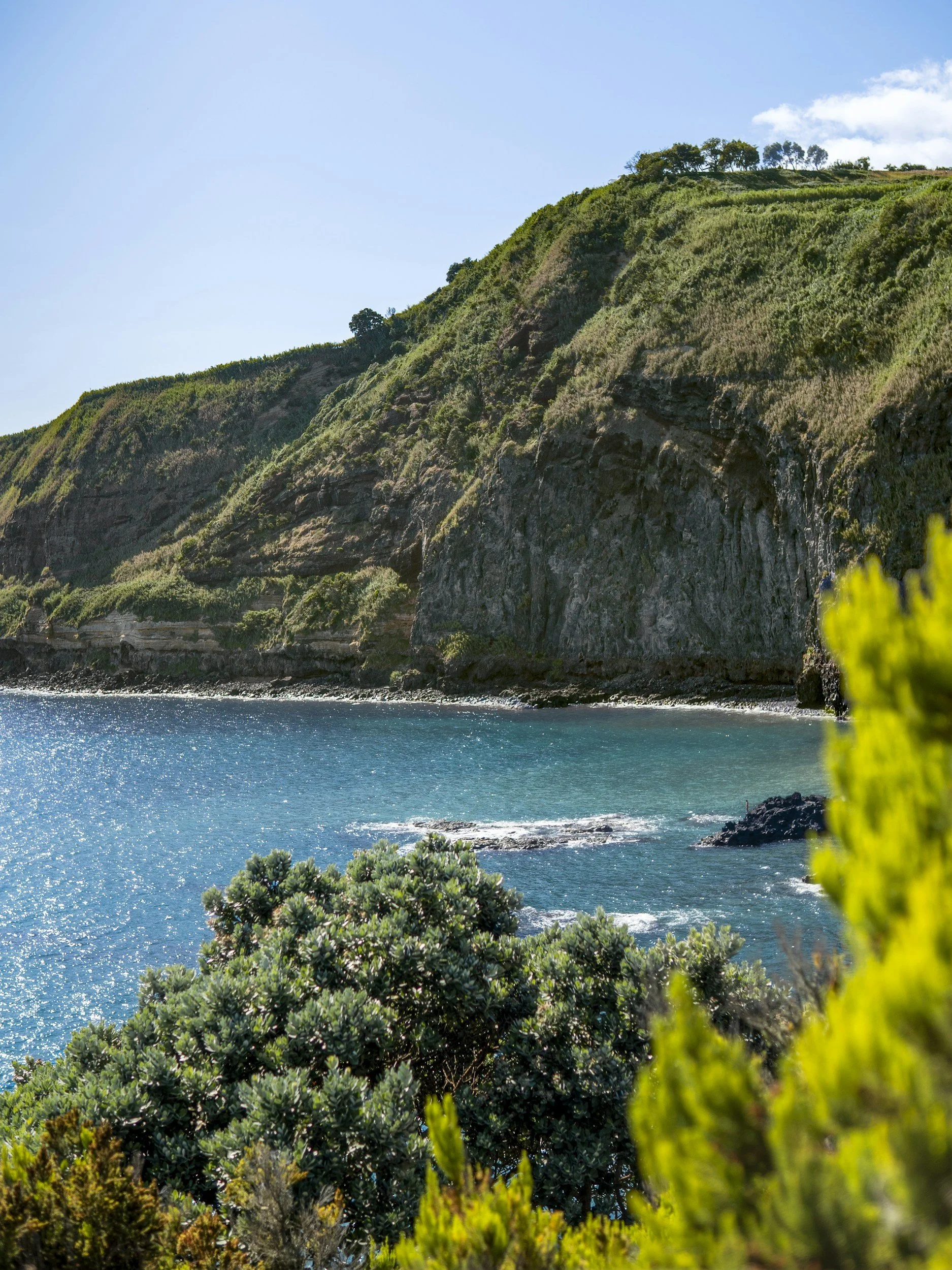
Live the Island Life: Cost of Living in the Azores
Dreaming of morning walks by volcanic cliffs, local cheese from the market, and fresh air that doesn’t smell like traffic? Welcome to the Azores.
But before you quit your job and book a one-way ticket, let’s talk about what it actually costs to live in paradise.
Spoiler: it’s more affordable than you think.
1. Housing Costs
Rent and home prices are significantly lower than Lisbon or Porto. In São Miguel, for example, you can rent a furnished 2-bedroom home for around €700–€1200/month, depending on the location and amenities. Buying? Entry-level properties start around €80,000–€100,000, with luxury listings still well below mainland prices.
2. Utilities & Internet
Electricity, water, and gas typically run €80–€120/month for a small household. Internet (fiber) is available in most towns and costs about €30/month.
3. Groceries & Dining Out
Groceries are reasonably priced, with many fresh goods produced locally. Dining out is refreshingly affordable: a lunch menu (prato do dia) is often just €8–€10, and a nice dinner for two with wine might set you back €30–€40.
4. Transportation
Having a car is recommended, especially outside urban centers. Fuel prices hover around €1.70–€2.00/L. Public transport is available but limited. Ferries connect the islands, and local flights are frequent and subsidized for residents.
5. Health & Insurance
Portugal offers a public healthcare system, and private insurance plans start around €30/month. Many expats use a combination of both. Medical care is high quality, and pharmacies are well-stocked.
6. Taxes & Fees
If you're a resident, you may qualify for Portugal's Non-Habitual Resident (NHR) tax regime, which offers major benefits for the first 10 years. Property taxes are modest compared to other countries.
Is It Worth It?
In short: yes. The Azores offer an exceptional balance between quality of life and affordability. Whether you're moving full-time or part-time, it's a chance to live slowly, beautifully, and maybe even better.
And no, you won’t miss the mall. Probably.
Buying Property in the Azores: What You Need to Know

Buying Property in the Azores: What You Need to Know
So, you're ready to trade city noise for ocean breeze? Smart move. The Azores are becoming one of Portugal’s most desirable destinations for property buyers—offering affordability, natural beauty, and a slower pace of life that feels like the secret everyone wishes they knew sooner.
Here’s a practical guide to buying property in the Azores, whether you're looking for a cozy cottage in São Miguel or land overlooking a crater lake in Pico.
1. Can Foreigners Buy Property in the Azores?
Yes. Portugal welcomes foreign buyers with open arms. You don't need to be a resident or citizen to purchase property. In fact, the process is relatively straightforward compared to other European countries.
2. Work with a Local Real Estate Agent
No, this isn’t just self-promotion. Local agents know the terrain—literally. From understanding rural zoning to navigating language barriers and knowing the real market value (not just what’s online), they’re your best ally.
3. Get a Portuguese Tax Number (NIF)
Before you can buy, you’ll need a Número de Identificação Fiscal (NIF), which is your Portuguese tax number. It’s required for signing contracts, opening a bank account, and basically existing here in any official capacity.
4. Understand Property Types and Titles
From ruins with renovation potential to move-in-ready homes, you'll want to understand what you're getting. Ensure the property is registered and legal to live in. Hiring a local lawyer to review everything is strongly recommended.
5. Consider Extra Costs
Besides the sale price, factor in:
IMT (property transfer tax)
Stamp duty
Notary and registration fees
Legal fees
Renovation or restoration (if needed)
A good rule of thumb? Budget around 7–10% extra.
6. Financing Options
If you're not buying with cash, some Portuguese banks offer financing to foreign nationals, although terms may be stricter. Be prepared to show proof of income and provide a down payment (typically 20–30%).
7. Visas and Residency
Portugal offers several residency options for property buyers, including:
D7 Visa (for passive income earners)
Living here full-time isn’t required to buy—but the door is open.
Final Thought
Buying property in the Azores is a chance to own more than a home—it’s a lifestyle shift. With the right help and a little patience, it can also be one of the smartest investments you’ll ever make.
And yes, the views are even better in person.
FAQs
-
Yes. Portugal allows non-residents to purchase property, and the Azores are no exception. Many international buyers have successfully purchased homes or land.
-
Yes—property prices are still relatively low compared to mainland Portugal, with growing interest from expats, investors, and remote workers. Long-term value is strong, especially with tourism growth and eco-conscious development.
-
You’ll need a Portuguese tax number (NIF), a local real estate agent, and ideally, a lawyer. The process includes signing a promissory contract, making a down payment, and finalizing the deed with a notary.
-
Yes. Some Portuguese banks offer mortgages to foreign buyers, but terms vary. Many purchases are made in cash, especially at lower price points.
-
Yes. There’s a growing market for vacation rentals and long-term tenants. You’ll need a local license (AL) to operate a short-term rental legally.